
Attacks on the Kurds of Aleppo Threaten Syria’s Transition
Update: At noon Syria time on January 7, the Syrian Transitional Government ordered civilians to evacuate Sheikh Maqsoud and Ashrafiyah by 3:00 PM. They claimed that they would attack any and all sites deemed to be ‘SDF positions’ after that deadline. Only Internal Security Forces (ISF) affiliated with the DAANES and SDF, not regular SDF forces, are present in the neighborhoods. According to informed sources in northeast Syria, the death toll in the neighborhoods has reached 7. 52 more people have been injured. Telecommunications and Internet access have reportedly been cut off from residents who have not yet paid monthly bills; those who have tried to pay today are unable to do so. Residents and local officials believe that the evacuation order and attacks are intended to empty the region of its Kurdish population and precipitate ethnic conflict across the country.
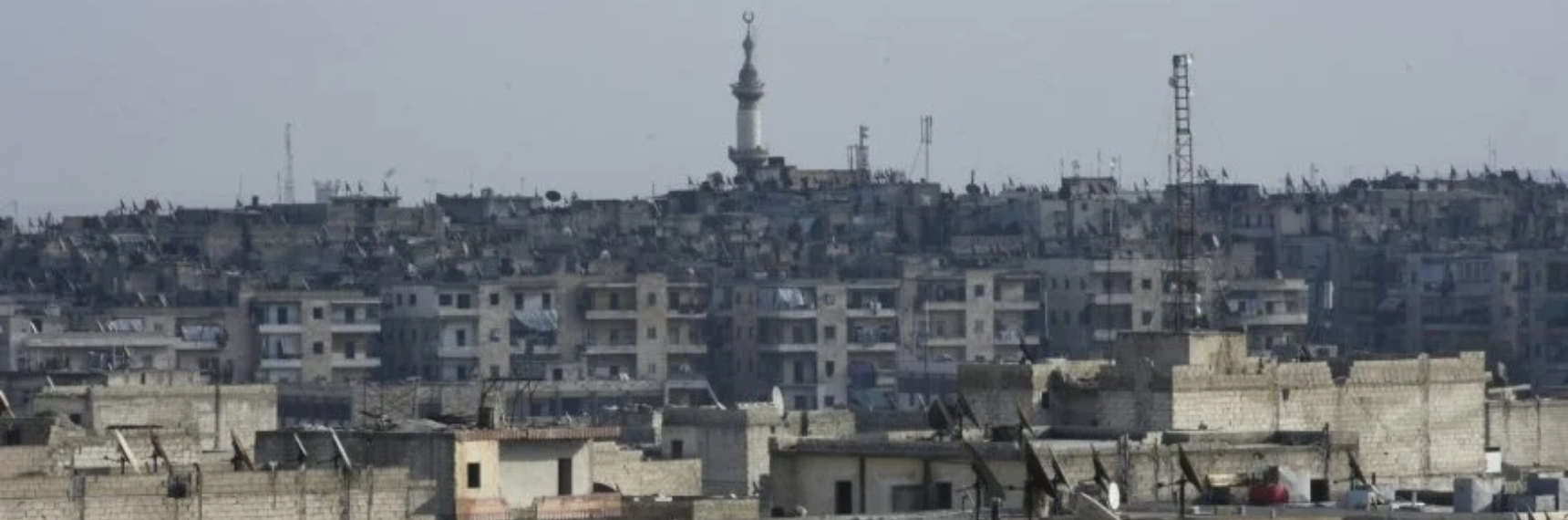
On January 6th, violent clashes broke out between forces affiliated with the Syrian Transitional Government (STG) and those affiliated with the Syrian Democratic Forces (SDF) around Sheikh Maqsoud and Ashrafiyah, Kurdish-held enclaves within the city of Aleppo.
Fighting began after weeks of access restrictions imposed by the STG on the neighbourhoods; a high-level SDF-STG military integration dialogue that concluded without concrete progress; and, most immediately, a meeting between Syrian Foreign Minister Asaad Hassan al-Shaibani and Turkish Foreign Minister Hakan Fidan.
The U.S. Senate Foreign Relations Committee called on both sides to de-escalate in a post on X. If Turkish pressure and militia provocations continue to pose a threat to outnumbered Kurdish civilians in Aleppo, the likelihood of destabilizing ethnic tension and renewed conflict in Syria is high.
Background
Forces linked to the SDF have controlled Sheikh Maqsoud and Ashrafiyah since the beginning of the Syrian civil war. Both Assad regime forces and Islamist rebels committed serious violations against local residents: cutting off access to essential goods and services and conducting indiscriminate attacks.
When Hayat Tahrir al-Sham (HTS) captured Aleppo in 2024, it left Kurdish populations and their political and military structures untouched. In April 2025, the SDF and STG reached an agreement to integrate SDF-linked Internal Security Forces (ISF) in the neighborhoods with the Ministry of Interior and local governance structures with the municipal government of Aleppo city.
Like the comprehensive March 10th integration deal, this agreement has not been put into practice. STG forces have blocked the entry of fuel, medicines, and other necessities into the neighbourhoods, as the Assad regime once did, and detained and harassed Kurds attempting to travel in and out.
In October and December, tensions between the two forces and repeated STG provocations boiled over into violence. Both rounds of clashes lasted less than 24 hours before ceasefires were reached. Civilian communities on both sides have borne the brunt of violence. In the Kurdish enclaves, restrictions on movement and dwindling resources exacerbate the suffering.
The Clashes
According to the ISF, 4 civilians have been killed in the neighbourhoods and 26 more have been injured. Two members of the ISF were reportedly injured as well.
Residents described displacement, chaos and fear.
“I was at the hospital when the incidents started. I returned home immediately. Until now there are sounds of the shelling and probably engagements. The situation is frightening,” Joel, 28, a resident in the old Assyrian neighbourhood in Aleppo City, told the Kurdish Peace Institute.
Samira, 42, a resident of eastern Sheikh Maqsoud, left her home afer a projectile hit nearby. “The shelling is very heavy, all the doors and windows are shaking,” she told the Kurdish Peace Institute.
Dozens of residents of Sheikh Maqsoud and Ashrafiyah reported that pieces of shrapnel hit their houses or fell in their streets.
All seven crossings into the two neighbourhoods were closed by the STG immediately before the shelling started. As a result, hundreds of people have been left stranded under transitional government control. One stranded Sheikh Maqsoud resident told the Kurdish Peace Institute that they saw STG forces targeting the Kurdish neighbourhoods with a Doshka.
Why It Matters
One impediment to Syrian integration is the widespread belief among Kurds and other ethnic and religious minorities that STG-affiliated security forces will not protect them and are willing to use force against them. In Aleppo, these security forces are largely comprised of members of armed groups that have targeted Kurds, Yezidis, and other communities – including the Hamza Division and the Sultan Suleiman Shah division, two groups sanctioned by the U.S., U.K. and E.U. for ethnically-motivated violence in Afrin and Sere Kaniye and on the Syrian coast.
If these militias enter Sheikh Maqsoud and Ashrafiyah, a similar tragedy is all but inevitable. Large-scale ethnic conflict would undo a year’s worth of U.S.-sponsored progress towards the reunification of Syria and could escalate into renewed civil war.
This is the second time in as many months that a meeting between Turkish Foreign Minister Fidan and Syrian authorities has preceded violence in Aleppo. Actors in the Turkish state who are opposed to peaceful SDF-STG reconciliation may find the fragile status quo in the city to be fertile ground for provocations.
Topics & Regions
About the Authors
Explore More
For Syrian Kurds, Mother-Tongue Education is a Red Line

Related Research
The Coalition of Political Forces of Iranian Kurdistan: Risks and Opportunities

YPJ Integration: What are the Obstacles?

My city defended the world from ISIS. Why is it still under siege?